



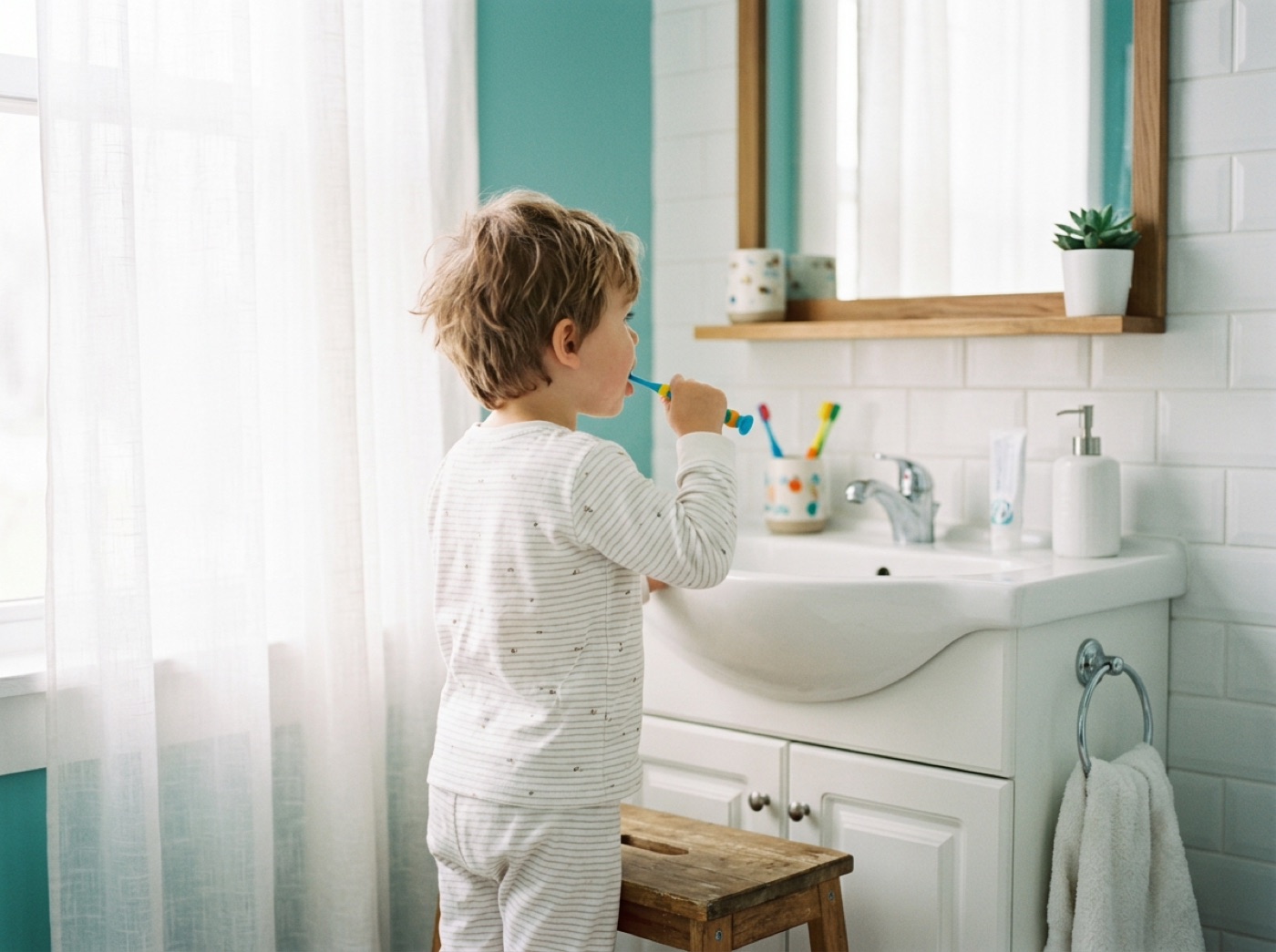
Many parents think: milk teeth fall out anyway, so why all the attention? Yet these first teeth play an important role in your child's development. With a few steady habits you lay a good foundation for healthy teeth later on.
Why are milk teeth so important?
Milk teeth help your child chew, speak and smile. They also keep space free for the permanent teeth that arrive later. If a milk tooth is lost too early because of a cavity or infection, neighbouring teeth can drift and there may be less room for the permanent tooth. Cavities in milk teeth can also hurt and make eating and sleeping difficult.
When do milk teeth appear and when do they fall out?
In most babies the first tooth appears around six months, but some children start earlier and others later. Around two and a half to three years the full set of milk teeth is usually in place. From about six years the milk teeth start to loosen and are replaced by permanent teeth. This timetable differs from child to child; if you are unsure, ask your dentist.
How do you brush your child's teeth?
- 01
Start early Start
Begin brushing as soon as the first tooth appears, with a soft children's brush and a small amount of fluoride toothpaste.
- 02
Brush twice a day Routine
Brush in the morning and before bed. The evening session is extra important because there is less saliva at night.
- 03
Help or finish the job Help
Young children cannot yet brush well on their own. Let your child practise, then brush again afterwards until they can do it thoroughly by themselves.
- 04
Make it a calm moment Fun
A fixed time, a song or a brushing chart often makes it more fun and predictable.
Guidelines exist on the amount of fluoride toothpaste and the right moment to start, depending on age. Ask your dentist what advice suits your child.
Which food and drinks protect milk teeth?
- Offer water or unsweetened milk as the standard drink
- Limit sugary drinks and soft drinks, including fruit juice
- Keep snacks and sweets limited and preferably grouped around meals
- Do not give a bottle or cup with a sweet drink to fall asleep with
- Choose healthy snacks such as vegetables, fruit or cheese
Practical tip: it is not only about how much sugar, but above all how often. After every sweet moment the teeth need a while to recover. Sweet things less often means more rest for the enamel.
When should your child first see a dentist?
It is wise to bring your child early so they get used to the practice. A first check-up is often around the second birthday, or sooner if you are worried. The visit is mainly about getting acquainted, checking the teeth and giving advice. Talk positively about the dentist and avoid words such as pain or needle.
When is it wise to visit the dentist?
Make an appointment if you see white or brown spots or holes on the teeth, if your child complains of pain or sensitivity, if the gums are red or swollen, or after a fall against the teeth. Do not wait until the milk teeth fall out: timely treatment matters for milk teeth too.
Frequently Asked Questions
IMPORTANT NOTE
This content is for informational purposes only; it does not substitute personal medical advice, diagnosis, or treatment. Your personalized treatment plan will be determined after a clinical examination by Mondzorg HS dentists.